Kaili Ho, DMA
Pianist, Composer, and Educator
Biography
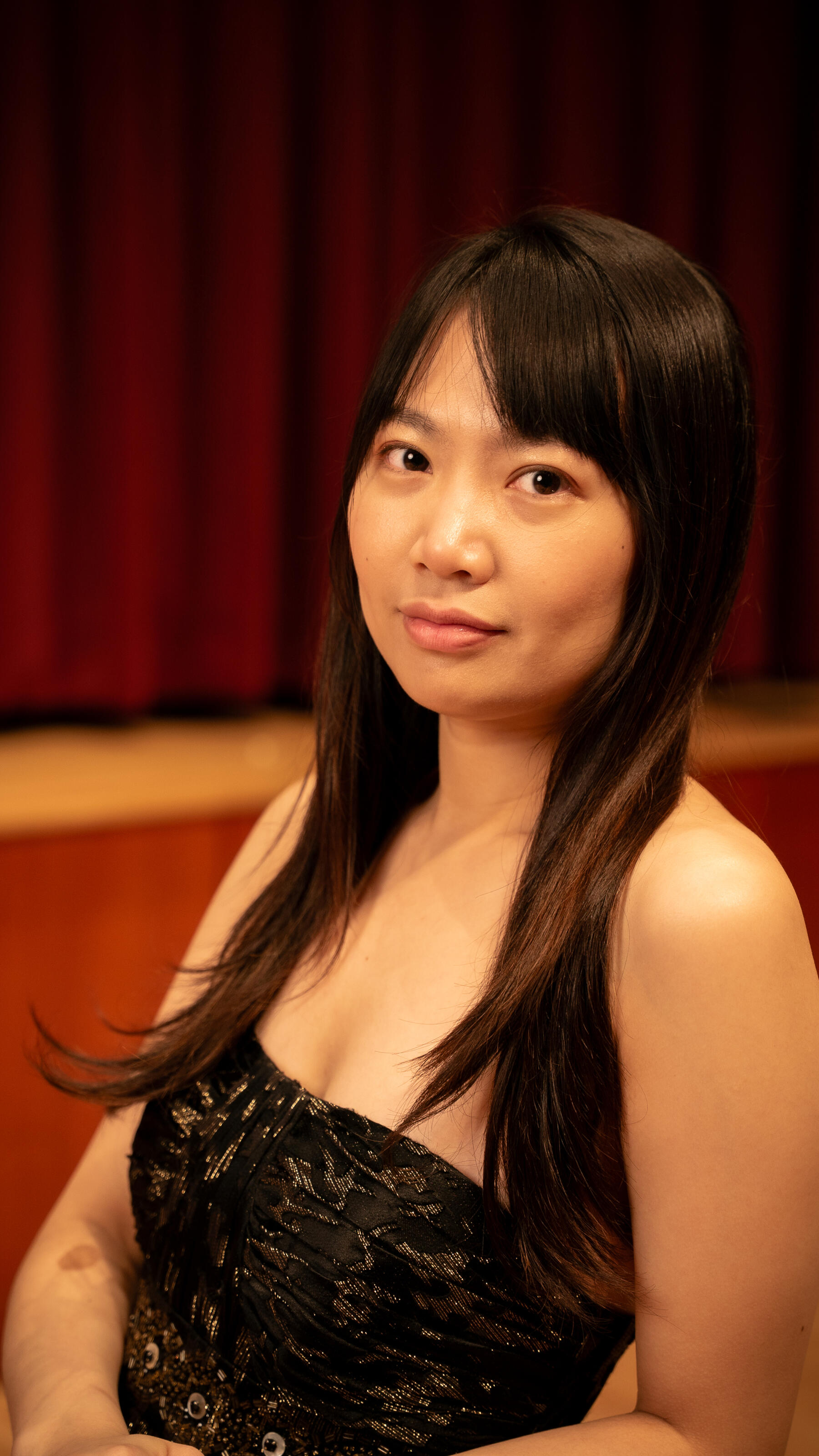
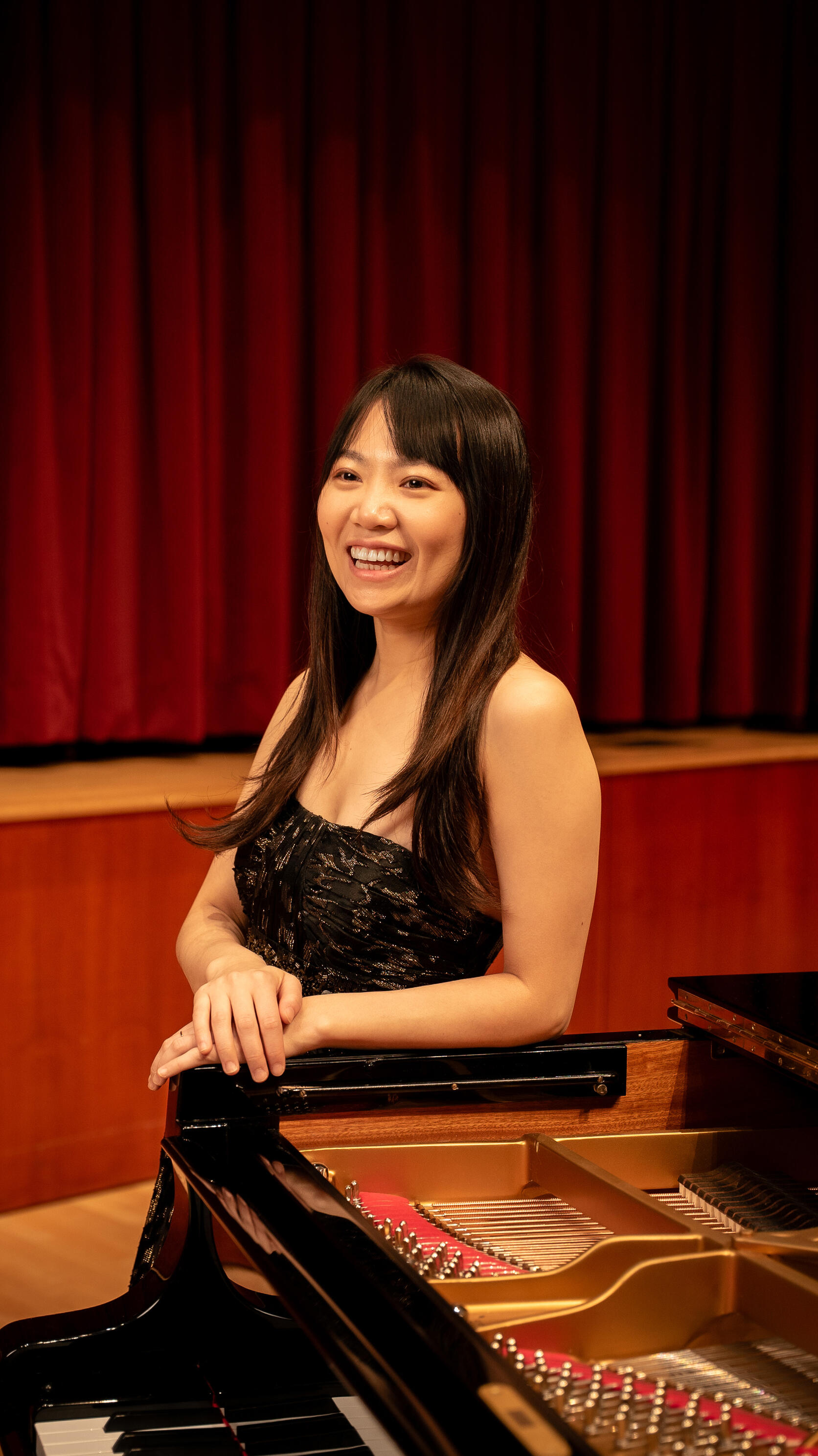
Dr. Kaili Ho made her professional solo debut at age 6 at Taiwan’s National Concert Hall and has since performed throughout the United States, Asia, and Europe. She previously served as President of the Chapel Hill Music Teachers Association. She recently released her debut album, Across the Seven Nights, featuring seven original compositions written and performed by her.Professional Recognition
Dr. Ho has received numerous awards, including First Prize at the MTNA International State Piano Competition and Kawai International Piano Competition, “Best Performance of Taiwanese Repertoire” at the Young Musician International Competition - Città di Barletta, Second Prize at the Taiwan National Piano Competition, and Third Prize at the Virtuoso and Bel Canto Music Competition. She has appeared with the Orchestre des Champs-Élysées, Colburn Academy Virtuosi Orchestra, National University of Singapore Orchestra, and Vidin State Philharmonic Orchestra.Collaborative Highlights
She worked with the Castleman Quartet Program as a piano intern and with the Interlochen Center for the Arts as a collaborative pianist, vocal coach, and choir pianist. Her recent chamber music engagements include collaborations with faculty from the University of North Carolina at Chapel Hill, Western Kentucky University, Utah State University, and University of North Carolina, School of the Arts (UNCSA).Festival Highlights
Her festival appearances include the Colburn Piano Festival, Art of the Piano Festival at Cincinnati Conservatory of Music, Engadin International Piano Festival in Switzerland, and Donghai University Music Festival in Taiwan. She has attended masterclasses by Leon Fleisher, Jerome Lowenthal, Boris Berman, Arnold Steinhardt, and others.Teaching Highlights
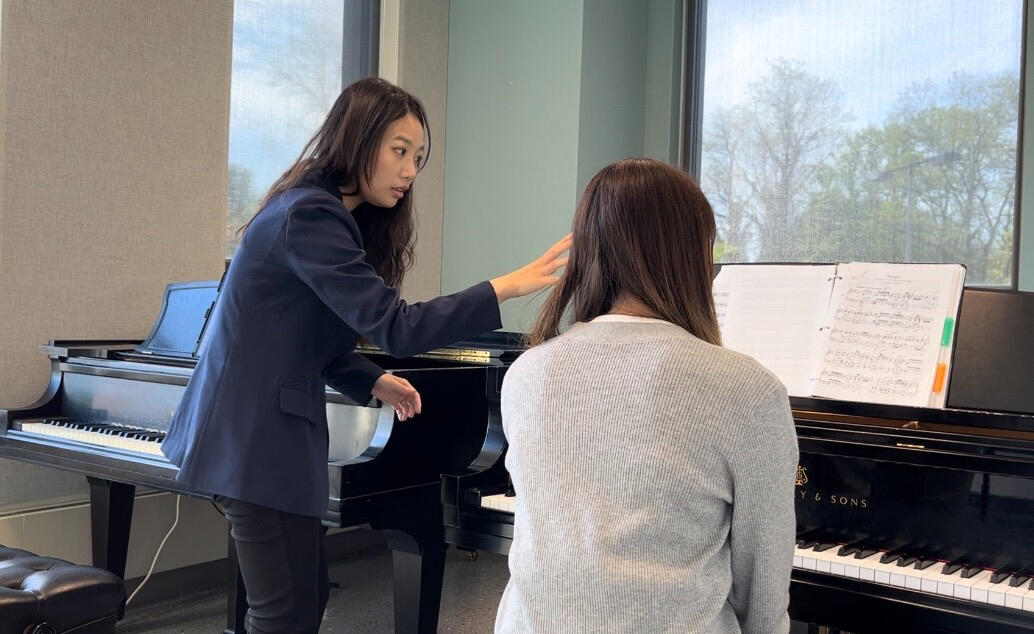
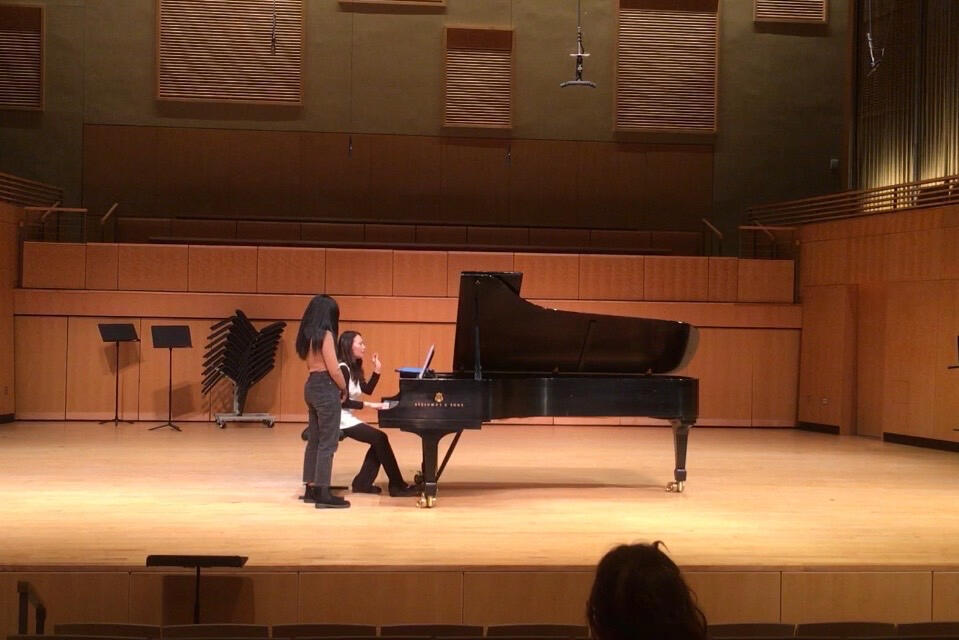
She was a Guest Artist at the University of Maryland Baltimore County, giving masterclasses and chamber coaching. She also serves as piano faculty at the Chapel Hill Chamber Music Workshop. She adjudicates for the MTNA State Competition, Federation of Music Clubs, Young Artist Auditions, and Piano Star International Competition.Education
Dr. Ho studied at The Colburn School on a full scholarship before earning a Joint Honors Bachelor of Music in Piano Performance from Yong Siew Toh Conservatory and the Peabody Institute at Johns Hopkins University. She received a Professional Artist Certificate in Collaborative Piano on a full scholarship from UNCSA under Allison Gagnon. She also holds Master of Music and Doctor of Musical Arts degrees in Piano Performance from Peabody, where she received the Career Development Grant, Clara Ascherfeld Award, and full assistantships under Marian Hahn, a pupil of Leon Fleisher.


Testimonials
"Kaili Ho is one of the most gifted collaborators I have worked with in many years. Her playing is always sensitive and intuitive. Preparing a performance with her is always a pleasure. She is extremely flexible and adaptable, and she always comes to rehearsals well-prepared. In the actual performance milieu, her musicianship is clear and convincing."
- Brooks de Wetter-Smith, Flutist
James Gordon Hanes Distinguished Professor of Music Emeritus, The University of North Carolina at Chapel Hill
"Kaili Ho is the kind of pianist who makes singers sing better. She effortlessly supports the singer and makes the musical collaboration easy and enjoyable."
- Fotina Naumenko, Soprano
GRAMMY®-nominated artist
Associate Professor of Voice, Shenandoah Conservatory
Discography
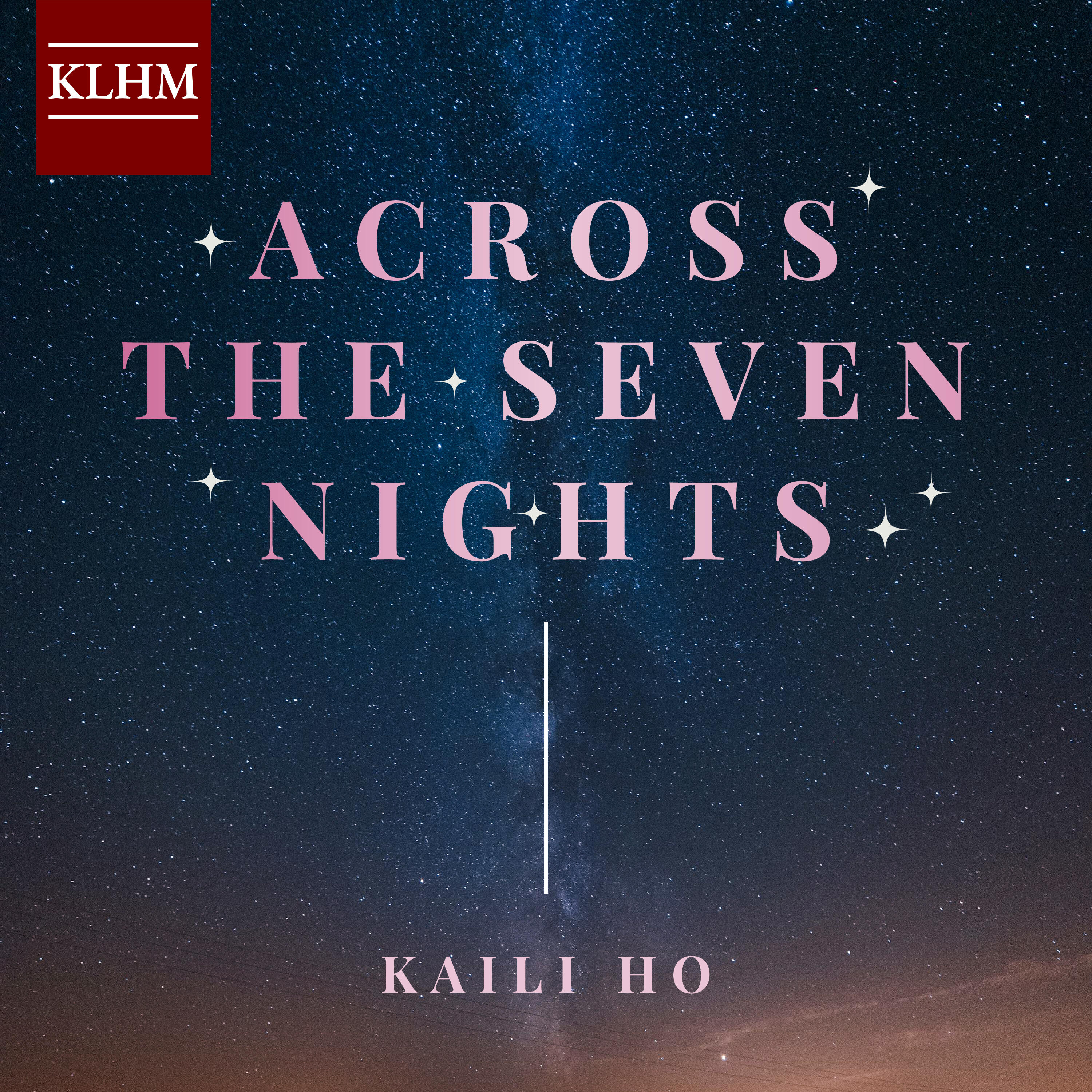
Official Release: May 1, 2026
Across the Seven Nights
• Summer Andante
• Stormed Hearts
• Nocturne by Chandeliers
• Two in Silence
• The Dance that Built a Home
• Vita Renata
• Waltzing into Tomorrow
Across the Seven Nights was born in summer under a sky sewn with stars. Night loosens the imagination, and darkness is a canvas for the infinite. Seven nights close a circle, and at its end another begins. In that ever-expanding, elusive night sky that is my canvas, I wrote between the notes recurring themes that anchor life: community, voyage, transformation, vulnerability, love, restoration, and hope. May you find in these pieces what I could not find in words.
Available on:
Scores available on:
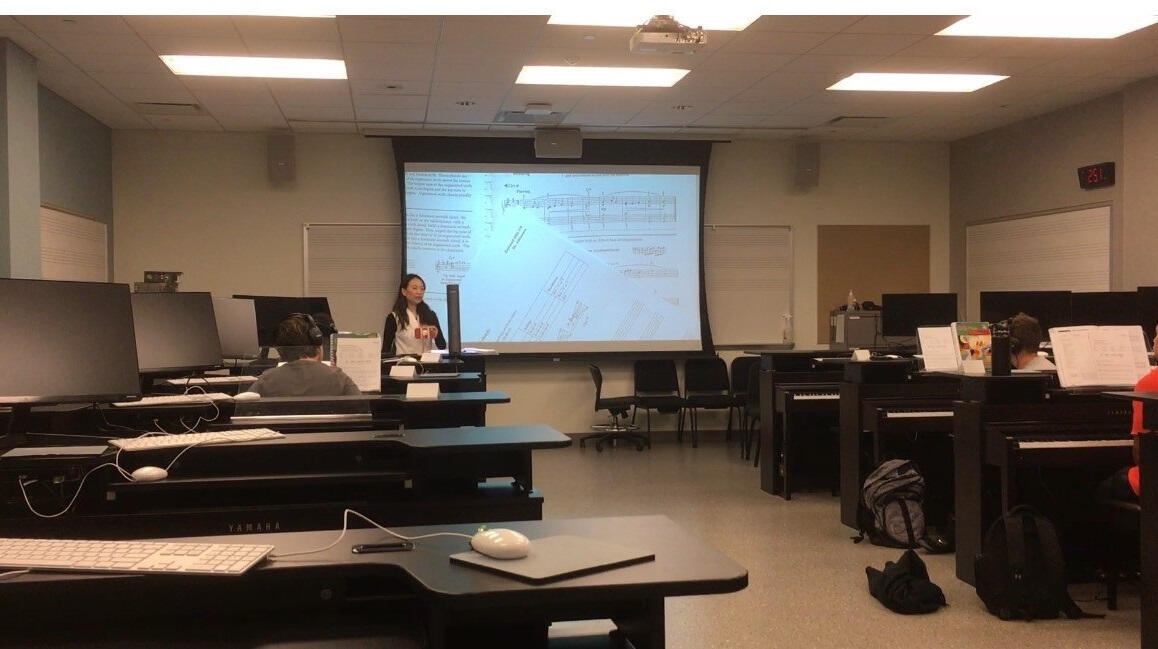
Teaching Philosophy
I like languages.My teaching philosophy is rooted in the idea that music is a language. Like spoken languages, music has its own vocabulary, grammar, and nuanced inflections, shaped by historical and cultural contexts.How Languages Shaped Me
I grew up speaking Chinese at home and learning English at school. Later, I became fluent enough in Japanese to hold extended conversations with native speakers. More recently, I have started learning Korean and German. These experiences have shaped how I communicate, and more importantly, how I understand and teach music.How Music Speaks
I teach music as communication and frame articulation, dynamics, and phrasing as its syntax and punctuation. When students rush through phrases without releasing, I ask, “When you talk to someone, is it better to pause between phrases or run three sentences without a breath?” The question makes them relate music to something they already know intuitively and help them internalize musical structure rather than just execute it mechanically.Listening to the Composer
I encourage students to treat repertoire as a language shaped by its time, place, and purpose - to listen to the composer’s voice in musical rhetoric, gesture, and structure. This lets them inhabit perspectives beyond their own while developing an expressive voice that is both informed and personal.Understanding Where Music Comes From
Musical notation is a product of history, even though its communication happens in the present. I guide students through composers’ biographies, performance practices, and aesthetic ideals so they can better understand repertoire as a living expression of human experience and not as an isolated artifact. I encourage my students to understand not only how to play music, but also why it was written the way it was.Many Ways of Speaking
Just as there are many human languages, there are many musical ones. I incorporate diverse repertoire alongside classical works to teach students to approach unfamiliar musical dialects with curiosity, respect, and informed inquiry. Through score study, stylistic analysis, and historical context, students discover that musical diversity is essential to musical and cultural fluency.Finding Your Own Voice
Audiences often tell me they’re moved by my performances. These responses validate my belief that music communicates on deeply visceral levels. In both performance and teaching, I strive to honor the composer’s intent while leaving room for personal experience and imagination. My goal is to help students access and communicate that expressive depth, become confident and thoughtful musicians who can speak music with imagination, purpose, and joy across diverse musical contexts while achieving high levels of musical proficiency.
Have an inquiry about teaching? Feel free to reach out using the form below.
Contact
For performance, teaching, masterclass, private events, collaboration, chamber music, or other questions, please fill out the form below to get in touch.
Copyright 2026 | Kaili Ho